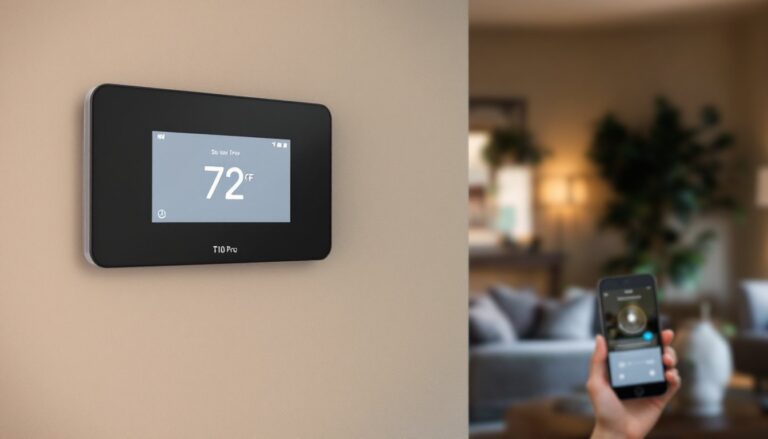
Imagine a home where everything works in perfect harmony, responding seamlessly to personal preferences and daily routines. The rise of IoT smart homes is transforming this vision into reality, offering convenience, efficiency, and enhanced security. With devices that communicate and collaborate, homeowners can control everything from lighting to temperature with just a tap or voice command.
As technology continues to advance, the integration of smart devices is becoming more accessible and affordable. From smart thermostats that learn habits to security cameras that provide real-time alerts, the possibilities are endless. Embracing a smart home not only elevates daily living but also paves the way for a more sustainable future.
Table of Contents
ToggleWhat Is An IoT Smart Home?
An IoT smart home integrates a network of interconnected devices that communicate via the Internet. Smart devices, such as thermostats, lights, and security cameras, connect to a central hub or smartphone app. This connectivity enables users to manage their home environment remotely and automate various tasks.
Smart home systems provide convenience through automation. For instance, smart thermostats adjust heating and cooling based on occupancy patterns or user preferences. Smart lighting systems can change brightness or color based on time of day or activities.
Efficiency improves in an IoT smart home. Energy management tools help users track energy consumption and reduce waste. Automated schedules optimize heating, cooling, and lighting, leading to lower utility bills.
Enhanced security features protect homes. Smart cameras, doorbells, and locks allow real-time monitoring and notifications. Mobile alerts inform users of unusual activities, enhancing peace of mind.
Affordability of smart devices continues to rise, making IoT technology more accessible. Many products are compatible with existing home systems. Users can start with essential devices and expand their smart home setup over time.
A comprehensive IoT smart home enhances daily living by streamlining tasks, improving energy efficiency, and bolstering security. As technology advances, homes become smarter, offering users more control and comfort.
Key Components Of An IoT Smart Home
Smart homes consist of various components that enhance automation, convenience, and security. Understanding these key elements facilitates informed decisions about integrating IoT technology into living spaces.
Smart Devices
Smart devices serve as the backbone of an IoT smart home. Common smart devices include:
- Smart Thermostats: Adjust temperature settings automatically based on user preferences, leading to increased energy efficiency.
- Smart Lights: Enable remote control and automation to optimize lighting based on time of day or occupancy, contributing to energy savings.
- Smart Cameras: Provide real-time video monitoring and alerts, enhancing security by allowing users to surveillance from anywhere.
- Smart Locks: Offer keyless entry options that enhance home security while allowing temporary access for visitors.
- Smart Speakers: Act as the central hub for controlling other smart devices through voice commands or mobile apps.
Integrating these smart devices creates a cohesive ecosystem that simplifies daily tasks and increases comfort.
Connectivity Solutions
Connectivity solutions are essential for the seamless operation of IoT devices. Key connectivity options include:
- Wi-Fi: Widely used for connecting smart devices to the internet, enabling remote management and control.
- Zigbee: A low-power mesh networking protocol that supports more efficient communication among smart devices, particularly in large setups.
- Z-Wave: Another wireless protocol designed for smart home devices, offering reliable communication with low latency.
- Bluetooth: Useful for short-range connections, facilitating direct control of devices like smart locks and speakers from mobile devices.
Selecting the appropriate connectivity solution ensures optimal performance and reliability in an IoT smart home environment.
Benefits Of An IoT Smart Home
An IoT smart home provides numerous benefits that enhance daily living. Key advantages include enhanced security measures and improved energy efficiency.
Enhanced Security
Enhanced security is a significant advantage of an IoT smart home. Smart cameras deliver real-time video feeds, allowing homeowners to monitor their property remotely. Smart locks enable keyless entry, which increases convenience and prevents unauthorized access. Notification alerts for unusual activity and integration with home security systems improve overall safety. According to the Electronic Security Association, 60% of burglars avoid homes with security systems, highlighting the importance of these features in a smart home setup.
Energy Efficiency
Energy efficiency is another crucial benefit of IoT smart homes. Smart thermostats learn user habits and optimize heating and cooling schedules, leading to energy savings of up to 10-12%. Automated lighting systems adjust brightness based on occupancy and natural light levels, which conserves energy. Moreover, smart plugs monitor appliance usage, allowing users to identify devices that consume excessive energy. The U.S. Department of Energy states that intelligent energy management can reduce monthly utility bills by as much as 20%.
These advantages underscore how an IoT smart home not only enhances security and promotes energy efficiency, but also improves overall quality of life.
Challenges Of Implementing An IoT Smart Home
Implementing an IoT smart home presents several challenges that can impact user experience and security. Key issues include privacy concerns and compatibility issues among devices.
Privacy Concerns
Privacy risks arise from the vast amount of data collected by smart devices. Smart home systems often gather personal information, such as usage patterns and daily habits. Unauthorized access to this data can lead to identity theft or unauthorized surveillance. According to a report by the Internet of Things Security Foundation, around 70% of IoT devices lack sufficient security measures, leaving them vulnerable to breaches. Ensuring data protection measures are in place, like encryption and secure user authentication, is crucial in mitigating these risks.
Compatibility Issues
Compatibility issues frequently hinder the seamless integration of various devices within a smart home ecosystem. Different manufacturers may use proprietary technologies, leading to connectivity challenges. A survey conducted by the Consumer Technology Association found that 40% of consumers experienced difficulties in connecting devices from different brands. Adopting open standards like Zigbee or Z-Wave can enhance interoperability, ensuring devices communicate effectively. Choosing a centralized hub that supports multiple protocols can also simplify device management, improving the overall user experience.
Embracing IoT smart home technology transforms living spaces into efficient and secure environments. The ability to control devices remotely not only enhances convenience but also promotes energy savings and safety. As accessibility increases and prices drop, more homeowners can experience the benefits of smart devices.
While challenges like privacy concerns and compatibility issues exist, solutions are emerging to address these hurdles. By prioritizing security and choosing compatible devices, users can create a cohesive smart home ecosystem. As innovation continues to shape the future of smart living, the potential for improved quality of life remains promising.