Smart washer and dryer sets are transforming how homeowners handle one of their least favorite chores. Unlike traditional laundry appliances, connected models let you start a wash cycle from your phone, receive alerts when clothes are done, and monitor energy usage in real time. Whether you’re renovating your laundry room or simply tired of guessing when the dryer finishes, a smart washer and dryer set offers convenience, efficiency, and peace of mind. This guide walks you through what makes these appliances smart, which features matter most, and how to pick the right set for your home.
Table of Contents
ToggleKey Takeaways
- A smart washer and dryer set connects to your home Wi-Fi and smartphone app, letting you start cycles remotely, receive completion alerts, and monitor energy usage in real time, eliminating guesswork and the need to rush home.
- Look for app control with intuitive navigation, notification settings, ENERGY STAR certification, and load-sensing technology that adjusts water levels automatically—features that can save $100 to $300 annually on utility bills.
- Smart washer and dryer sets range from $1,200 to $4,000+ depending on capacity and features; prioritize app reliability and user reviews separately from appliance reviews to ensure you won’t regret the investment.
- Before your first load, remove transit bolts and stabilizer bars from the washer drum, confirm your Wi-Fi router signal reaches the laundry room, and register your appliances with the manufacturer to activate warranty coverage and recall alerts.
- Smart laundry appliances reduce the mental burden of laundry day, prevent forgotten wet clothes from developing mildew, and their cycle history and self-diagnostics help catch maintenance issues early, extending the unit’s lifespan.
What Makes a Washer and Dryer Set Smart?
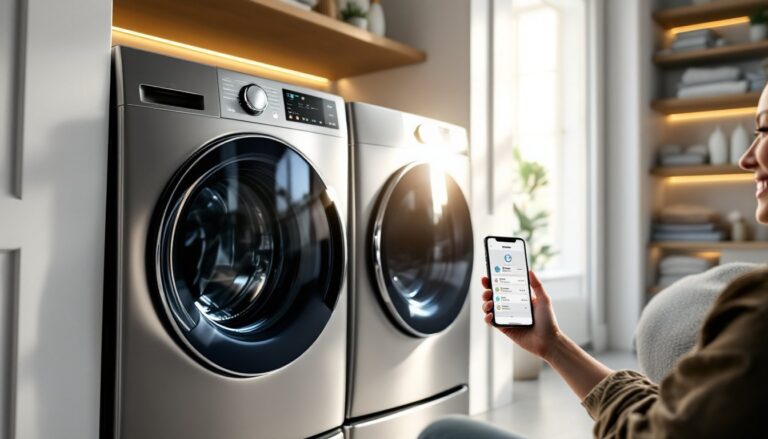
A smart washer and dryer set integrates Wi-Fi connectivity and smartphone apps to give you remote control over your laundry. Unlike a conventional pair, these units send notifications when cycles complete, let you adjust settings mid-wash, and track maintenance alerts so you know when filters need cleaning or parts require servicing.
Most smart sets operate through a dedicated mobile app, download it, connect your appliances to your home Wi-Fi, and you’re ready. Many models also work with voice assistants like Alexa or Google Home, so you can start a cycle or check status hands-free. Some premium units even diagnose problems automatically and alert you to potential repairs before they become expensive failures.
The core appeal isn’t just the novelty. Smart washers and dryers solve real pain points: no more rushing home to move wet clothes to the dryer, no guessing whether a delicate cycle is finished, and no standing in the laundry room waiting for a load to end. For households with multiple schedules or remote workers, that flexibility matters.
Key Features to Look For in Smart Laundry Appliances
App Control and Remote Monitoring
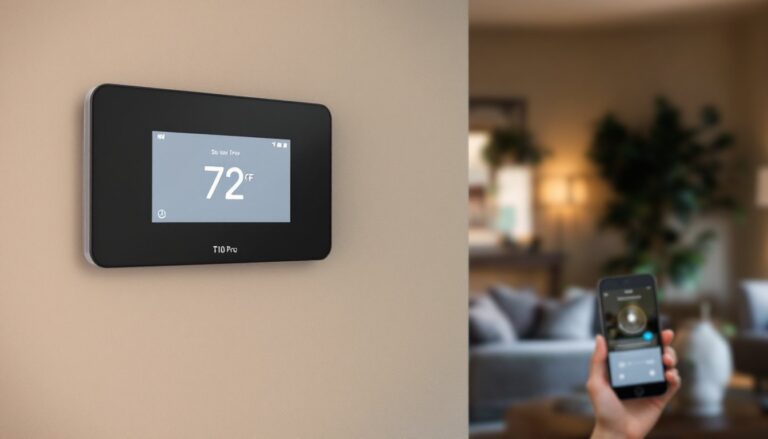
The app is your main interface with a smart washer or dryer. Look for one that’s intuitive to navigate, clunky apps defeat the purpose. The best ones let you start, pause, and customize cycles, and they display remaining time, cycle status, and error codes.
Notification settings matter too. Choose a set that sends alerts when cycles begin, finish, or encounter problems. Some models allow you to set custom notifications: a gentle ping for a finished delicate cycle, a louder alert for a heavy load that’s done spinning. Compatibility with major smart home platforms ensures your laundry appliances integrate with your existing home automation.
Remote monitoring also means you can troubleshoot from anywhere. If you’re out and the washer shows an error, many apps let you view diagnostic codes instantly, saving you a trip home or a service call.
Energy Efficiency and Cost Savings
Smart appliances often include sensors that optimize water and energy use per load. Load-sensing technology detects how full the drum is and adjusts water levels accordingly, a half-full washer doesn’t guzzle a full tank.
Look for ENERGY STAR certification, which means the unit meets strict efficiency standards set by the EPA. Over a year, an efficient washer and dryer set can save $100 to $300 on utility bills, depending on your local rates and water heating costs. Dryers with moisture sensors are especially important: they stop the cycle once clothes are actually dry instead of running on a timer and over-drying your fabrics.
Some smart sets track your energy consumption through the app, showing you how much power each cycle used. That transparency helps you run loads during off-peak hours if your utility offers time-of-use pricing. A few premium models even let you set spending caps or automate efficient cycle selections.
Benefits of Upgrading to a Smart Set
The practical benefits go beyond convenience. A smart washer and dryer set reduces the mental load of laundry day, no more phone reminders or sticky notes. You’ll never forget a load in the washer, which prevents mildew and saves time spent re-washing.
For renters or multi-generational households, smart controls prevent disputes over laundry schedules. Parents can monitor teenagers’ laundry habits, and roommates get clear notifications when cycles end. The transparency works both ways: accountability without nagging.
Longevity matters too. Many smart dryers include cycle history and self-diagnostics that flag maintenance needs early. Catching a worn seal before it leaks or replacing a heating element before it fails can extend the unit’s lifespan by years, protecting your investment.
From a home value perspective, newer, connected appliances appeal to modern buyers. While a smart set won’t single-handedly justify a full kitchen or laundry room renovation, it’s a recognizable upgrade that signals a well-maintained home. Reviewers on smart home technology platforms consistently note that laundry convenience ranks high on buyer wish lists.
How to Choose the Right Smart Washer and Dryer for Your Home
Start with capacity and space. Standard washers range from 4.5 to 5.8 cubic feet: larger families benefit from bigger drums that reduce the number of loads. Measure your laundry room carefully, most pairs are roughly 27 inches wide, but depth varies. Factor in doors and windows that need to swing open: a dryer door against a wall creates a bottleneck.
Consider laundry habits. Heavy-use households (kids, active sports, frequent linens) gain more from a smart set because they run frequent cycles. Smaller households may not justify the price difference unless they value remote monitoring for other reasons.
Venting and hookups are critical. Dryers need either a vent duct to the outdoors or a condensing mechanism: ventless models are more flexible for apartments but are slower and pricier. If your hookups are 240V electric, confirm the dryer you’re considering matches. Gas dryers require a gas line and aren’t as common in newer smart models.
Compare app reviews separately from appliance reviews. A washer may have a five-star reputation for wash quality, but if the app crashes or drains battery, you’ll regret it. Read user feedback on app functionality before committing.
Budget realistically. Smart washer and dryer sets range from $1,200 to $4,000+ depending on capacity, finish, and features. Entry-level smart models offer app control and remote start: premium units add steam cycles, fabric detection, and advanced diagnostics. Decide which features align with your routine, not your wishlist. Reliable reviews on connected home devices can help narrow options based on real-world performance.
Installation and Setup Considerations
Most homeowners can handle hookup themselves, but plumbing and electrical work may require a pro. If your hookups don’t match the appliances’ connections (size, type, voltage), a licensed plumber or electrician should handle the changeover. This is worth the $150 to $300 fee to avoid leaks or electrical hazards.
Delivery crews typically install the pair in your laundry space but rarely handle fine-tuning. Ask them to fill and run a test cycle to confirm water and drainage work properly. Inspect for leaks under the machines before they leave.
Wi-Fi setup is straightforward but crucial. Your router must reach the laundry room with a strong signal: if it doesn’t, a mesh Wi-Fi system or extender ($50 to $150) is worth the investment since a weak connection means missed notifications and failed remote starts.
Register your appliances with the manufacturer right away. This activates warranty coverage and enrolls you in recall alerts. Download the app before delivery day so you’re not fumbling through setup when the machines arrive.
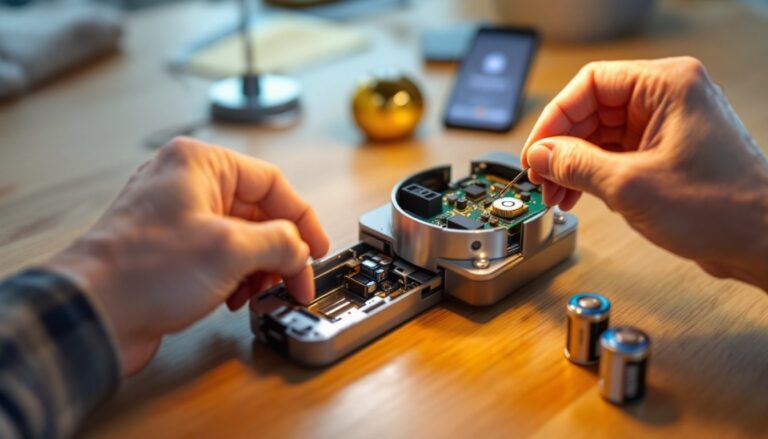
Finally, remove transit bolts and stabilizer bars from the washer drum before the first cycle, they’re there to protect the unit during shipping. Skip this step and you’ll damage the suspension, a costly mistake. Check the manual for the exact locations: they’re usually on the back and sides.