Imagine controlling your home with just your voice or a tap on your smartphone. Sounds like something out of a sci-fi movie, right? But welcome to the era of smart homes, where your refrigerator can remind you to buy milk and your thermostat can learn your heating preferences without a single nudge. While it all sounds like a dream come true, it’s crucial to understand both the perks and the pitfalls before fully diving into the smart home revolution.
Understanding Smart Home Technology

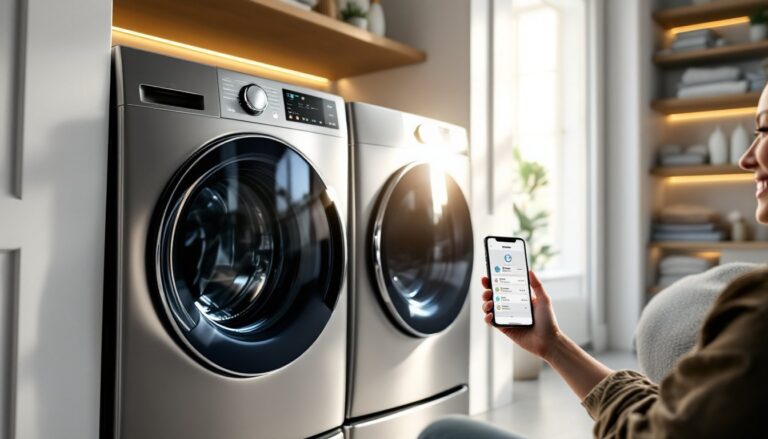
From smart speakers to intelligent lighting systems, smart home technology encapsulates a wide range of devices designed to enhance your living experience. These technologies can be integrated into home automation systems, allowing users to control various functions remotely or through voice commands. But what do these devices really do? They enable users to monitor security cameras, adjust lighting, and even cook dinner, all from the palm of their hands. The ecosystem of smart home devices is continuously growing, connecting everything from appliances to entertainment systems and more.
Advantages of Smart Homes
Improved Convenience and Comfort
Picture this: you arrive home after a long day at work, and as you pull into your driveway, your garage door opens automatically. Your lights flick on, and your favorite playlist starts playing. This isn’t just high-tech wishful thinking: it’s the level of convenience that smart home technology provides. With everything controlled from your smartphone or smart speaker, daily routines become smoother and more manageable.
Enhanced Energy Efficiency
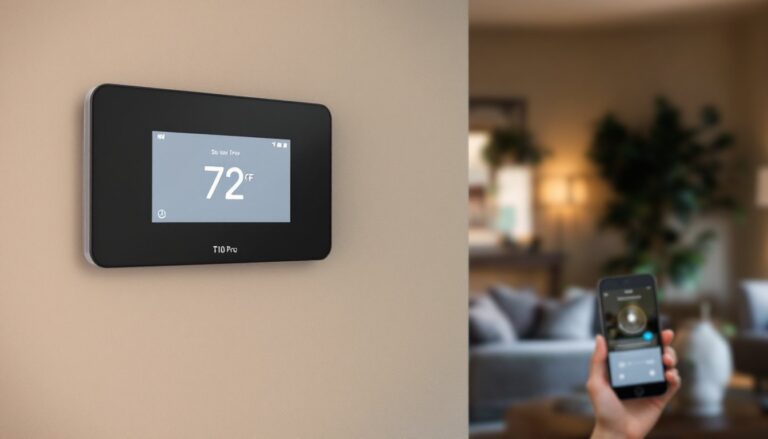
Smart homes can significantly lower energy consumption. By integrating smart thermostats, homeowners can adjust heating and cooling based on their actual needs. In fact, studies show that utilizing smart technology can lead to energy savings of up to 23 percent over time. Automated lighting systems that turn off when a room is unoccupied also contribute to this balance, making homes more environmentally friendly.
Increased Security Features
Smart security systems offer more than just the standard lock and key. With features like motion sensors, surveillance cameras, and even smart doorbells, homeowners gain peace of mind like never before. Some systems send notifications to your phone if they detect unusual activity, allowing you to keep a vigilant eye on your home even when you’re far away.
Potential for Cost Savings
While it may seem counterintuitive with all the gizmos and gadgets, smart homes can lead to considerable cost savings in the long run. Energy-efficient appliances reduce utility bills, while security systems can potentially lower home insurance premiums. Long-term investment in a smart home often pays off in monetary savings along with an enhanced quality of life.
Disadvantages of Smart Homes
High Initial Setup Costs
Let’s face it: smart homes can be pricey to set up. The high initial costs of purchasing smart devices, installation services, and potential remodeling can be a barrier for many homeowners. Not everyone can splash out thousands for a fully automated system, and this upfront investment makes many people think twice.
Privacy and Security Concerns
With great convenience often comes potential security risks. Smart devices can be vulnerable to hacking. This vulnerability can expose sensitive information, including personal data and camera feeds. Ensuring that data privacy policies adequately protect homeowners should be a priority when considering which devices to integrate into the home.
Dependence on Internet Connectivity
Imagine hosting a get-together only for your smart home to slow down or stop functioning because of an unstable internet connection. Smart home devices heavily rely on internet connectivity to operate smoothly. Any hiccups in your internet service can compromise the functionality of your devices, making them feel more like a hindrance than a help during crucial moments.
Compatibility Issues Among Devices
If you’ve ever tried to connect different brands of smartphones, you know the frustration of compatibility issues. The same applies to smart home devices. Not all brands work seamlessly together, which can lead to user dissatisfaction and additional troubleshooting. Different ecosystems may leave some features unusable, creating unexpected gaps in the convenience users seek.
Making an Informed Decision
Deciding to step into the world of smart homes should involve thorough research. Understand your goals and consider which functionalities will genuinely enhance your lifestyle. Look into product reviews, compatibility among devices, and ensure you’re comfortable with any privacy implications. If you’re just looking to dip your toes in, perhaps start with a few key devices, and gradually expand your smart home kit based on your evolving needs.