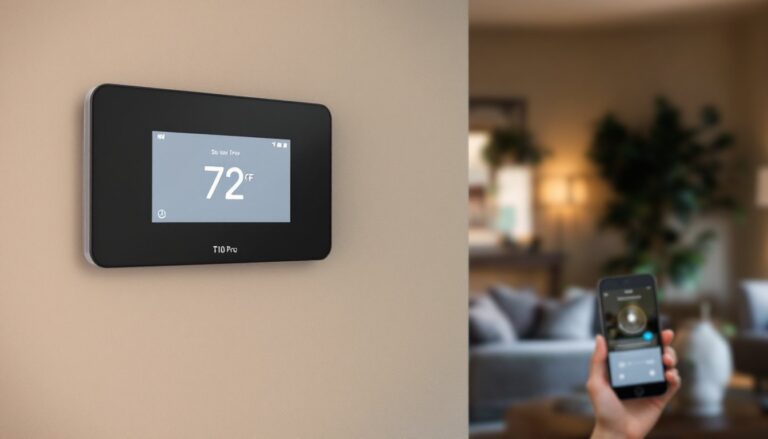
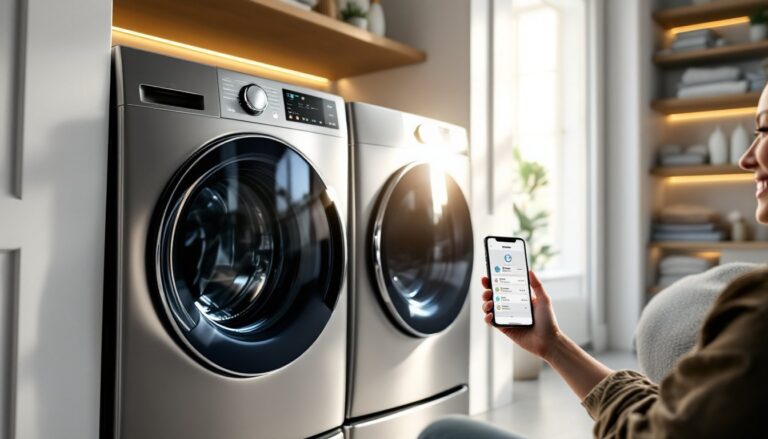
Picture this: you’re lounging on your couch, and with a simple command, your home lights up, your coffee brews, and the temperature adjusts to your perfect setting. Welcome to the world of smart homes in Chicago. Whether it’s controlling lights from your phone or using voice commands to adjust your thermostat, the future of living has never looked so tech-savvy. In a city that’s always on the move, why not make your home as efficient and connected as the bustling streets of Chicago?
What Is a Smart Home?

A smart home refers to a dwelling equipped with an array of interconnected devices that communicate with one another and can be controlled remotely. Think of it like a digital spiderweb, spinning technology and convenience into your everyday life. These homes use Internet of Things (IoT) technology, allowing a variety of devices like thermostats, lights, appliances, and security systems to interconnect and function intelligently. With a smart home, activities that used to take up precious minutes now happen at the tap of a finger or even a voice command. What once seemed like science fiction is now a reality, transforming how people interact with their living spaces.
But it’s not just about ease: smart homes also adapt to individual lifestyles, learning preferences over time. Feeling cold? The thermostat can adjust itself automatically. Just got home? Your lights can turn on and your favorite playlist can start playing, all without you lifting a finger.
Martini shake that brain of yours and think about this: Who wouldn’t love to have a home that anticipates their needs?
Benefits of Smart Homes in Chicago
Chicagoans often face unique weather patterns, from sizzling summers to bone-chilling winters. Smart homes offer numerous benefits that cater to these environmental challenges while enhancing the overall quality of life. Here are several key advantages:
- Convenience: Smart home technology eliminates the hassle of manually controlling every device. Imagine arriving home and having all your lights automatically illuminate, music playing, and the thermostat at the ideal temperature, pure bliss, right?
- Enhanced Security: Safety is paramount. Many smart home systems come equipped with cameras and alarms that can be monitored from anywhere. Chicago homeowners can feel secure knowing they can check their property at any time.
- Energy Efficiency: With energy prices often fluctuating, smart homes can significantly reduce electricity bills. Smart thermostats can schedule heating and cooling for efficiency, while smart plugs can limit energy use on non-essential devices.
- Increased Property Value: As potential homeowners flock toward technological advances, having a smart home can make a property more appealing in a competitive market. Homes equipped with cutting-edge smart technology can sell more quickly and even at higher prices.
In short, smart homes make life easier, safer, and more efficient, a trifecta that appeals to every Chicagoan.
Popular Smart Home Technologies
A plethora of smart home devices populate the market today, each boasting unique features to enhance living spaces. Among the most popular technologies are:
Integrating Smart Home Solutions
Integration is the heart of smart home technology. Various platforms, such as Amazon Alexa, Google Home, and Apple HomeKit, allow seamless communication among devices. With the right setup, homeowners can manage everything from lights to cameras through a single app or voice command.
Smart Home Security Systems
In a city like Chicago, security is a top priority. Smart security systems offer a suite of tools: video doorbells, surveillance cameras, and alarm systems. Homeowners can receive real-time alerts on their smartphones, enabling them to monitor their homes vigilantly.
Energy Efficiency and Smart Homes
In an effort to combat rising energy costs, many devices emphasize sustainability without sacrificing comfort. Smart thermostats allow broader control over heating and cooling, learning the homeowner’s schedule to optimize energy use. Using smart LED bulbs can also contribute to the energy-saving mission, these can be dimmed or scheduled to turn off when not needed.
Altogether, these technologies position Chicago homeowners to lead more serene, secure, and sustainable lives.
Local Regulations and Guidelines
When diving into the realm of smart homes, understanding local regulations is crucial. Chicago officials have begun promoting smart technologies along with sustainability initiatives. But, homeowners must be aware of certain guidelines:
- Permits for Installations: Substantial installations, such as built-in security systems or major electronic configurations, may require permits. Homeowners should consult the city’s building department for clarity.
- Data Privacy Regulations: As smart technology collects data, being mindful of privacy laws is essential. Chicago adheres to various consumer protection laws, ensuring residents’ data security.
- Energy Efficiency Standards: Compliance with local energy efficiency standards may accompany installation. This ensures that smart devices contribute positively to overall energy goals and do not exceed allowable energy consumption.
By adhering to regulatory requirements, homeowners can enjoy the benefits of smart living without running into unexpected issues.
Choosing the Right Smart Home Products
Selecting the right smart home products might overwhelm some due to the sheer volume of options available. But, making informed decisions can simplify the process.
The Future of Smart Homes in Chicago
The smart home market continues to evolve, with new devices emerging regularly. As Chicago’s infrastructure enhances connectivity, many anticipate even more integrated systems, and prices for smart devices may decrease, making them accessible to a wider audience.
Challenges and Considerations
Even though the numerous advantages, potential challenges exist. Homeowners should consider costs, compatibility between devices, and ongoing maintenance. Not all devices can seamlessly connect, meaning thoughtful planning is imperative to achieve an optimal smart home experience.
By researching options and anticipating future advancements, homeowners can create a sophisticated network tailored to their needs.