Imagine walking into your apartment in the heart of New York City, and with just a voice command, the lights dim, the thermostat adjusts, and your favorite playlist begins to play. Sounds like magic? It isn’t. It’s the world of smart homes, a technological wonder that’s increasingly becoming a reality for New Yorkers. This guide dives deep into what makes a home ‘smart’, the benefits of embracing such technology in an urban jungle, and the potential roadblocks one might face. Ready to transform your living space? Let’s get started.
What Is a Smart Home?
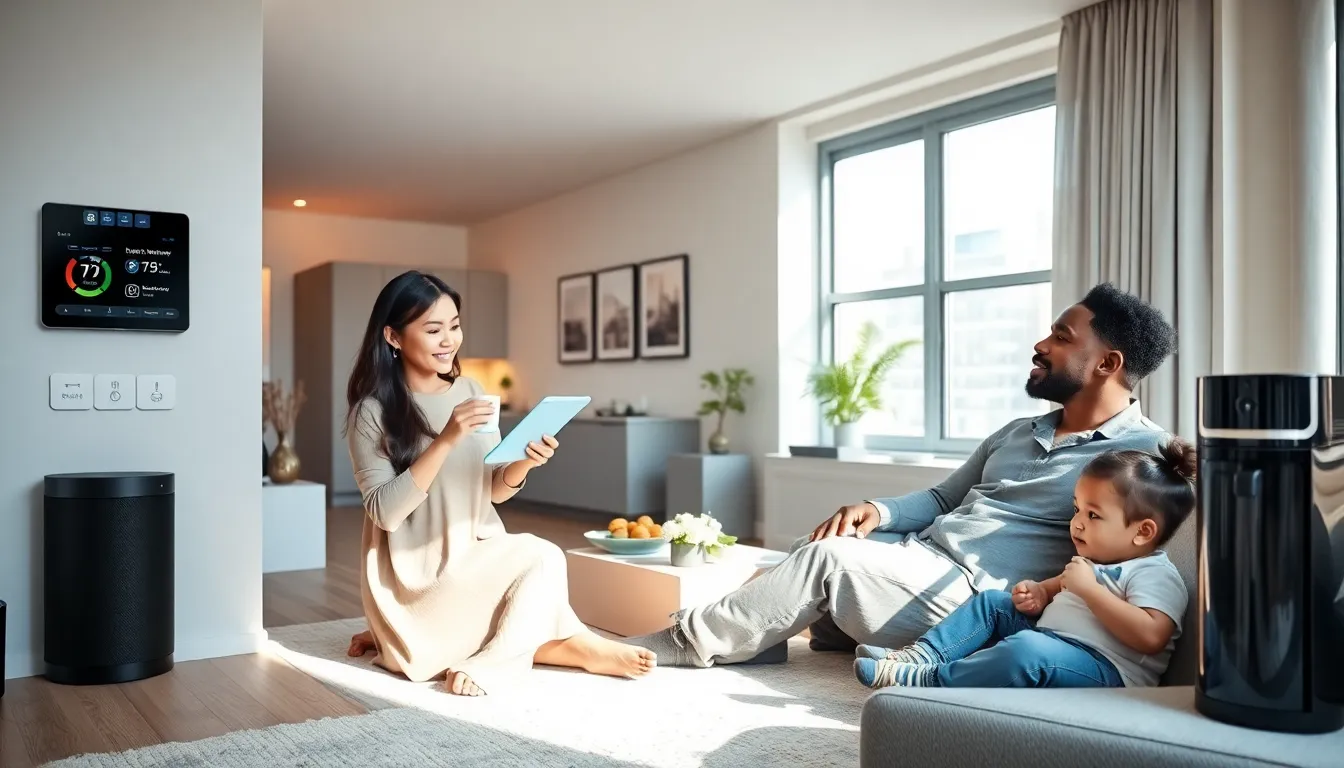
A smart home integrates devices and appliances connected to the internet, allowing for remote management and monitoring. Picture it this way: your coffee machine knows when you wake up, thanks to sensors in your bedroom, and starts brewing your perfect cup. These devices communicate through a central hub, making life smoother. Smart homes not only offer convenience but also increase energy efficiency, enhancing everyday living in ways that are hard to imagine.
With the Internet of Things (IoT) blossoming, everything from lightbulbs to security cameras can be made ‘smart’. But beware, understanding how this connectivity works is key. It’s not just flashy gadgets: it’s about creating a cohesive ecosystem that works for the homeowner.
Benefits of Smart Homes in Urban Settings
Living in a bustling metropolis like New York comes with its unique challenges. Smart home technology can alleviate many of them. For instance, energy efficiency solutions can drastically reduce utility bills amidst soaring city costs. Automatic thermostats can adjust based on whether someone is home, ensuring energy isn’t wasted when the apartment is empty.
Besides, enhanced security features illuminate the darker corners of city living. Smart locks and surveillance cameras provide peace of mind, letting residents monitor their homes from miles away. Imagine traveling and receiving alerts if there’s unusual movement detected.
Plus, let’s discuss convenience, integrating smart home controls into daily routines can streamline everything. Need to prepare for a surprise visit? One tap on your smartphone can set the perfect ambiance, enhancing the welcoming vibe.
Popular Smart Home Technologies and Devices
Smart home technology is abundant, catering to various needs and preferences. Here’s a quick rundown of popular devices:
Smart Speakers
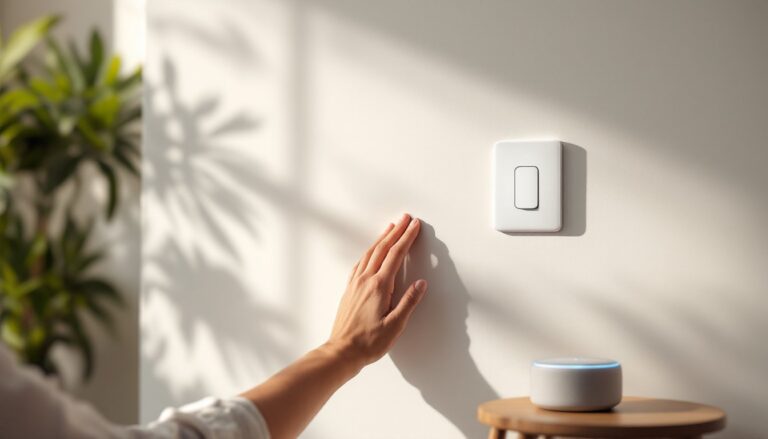
Devices like Amazon Echo and Google Nest Voice-activated assistants can control smart home devices, play music, or help with your countless to-do lists, all at your command.
Smart Thermostats
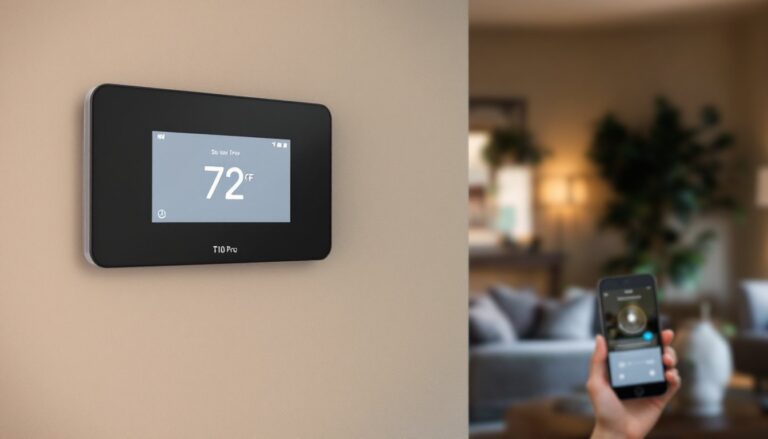
Products like the Nest Learning Thermostat learn your habits to optimize heating and cooling efficiently. They save both energy and money, which in New York means a little relief from those pesky bills.
Smart Lighting
Philips Hue lights allow homeowners to adjust lighting based on mood or time of day. Appreciate those late-night reading sessions? Get the perfect brightness with a simple command.
Security Systems
Smart systems, such as Ring doorbell cameras, provide real-time surveillance, allowing residents to see who’s at their door through their smartphone, regardless of where they are.
Challenges of Implementing Smart Homes in New York
While the allure of smart homes is undeniable, a few challenges may hinder their widespread adoption in New York.
High Initial Costs
The price tag for smart technology can be steep. For a cash-strapped New Yorker, investing in high-tech gadgets may seem daunting.
Connectivity Issues
Given the density of New York, reliable internet connections can fluctuate. If your Wi-Fi is inconsistent, your smart devices might not perform as expected, leading to frustration instead of convenience.
Privacy Concerns
Integrating smart technology introduces vulnerabilities. Residents must grapple with how much personal data they’re comfortable sharing, and ensuring that these devices are secure from hacking is crucial.
The Future of Smart Homes in New York
Looking ahead, the future of smart homes in New York is undeniably bright. As technology advances, it’s expected that costs will decrease, making these gadgets more accessible. Innovative developments are constantly appearing on the market.
Also, the push for sustainable living will likely fuel the growth of smart home technology. Efficient energy management aligns well with the city’s initiatives for a greener environment. As new buildings incorporate smart technology from the ground up, older homes may also adapt, turning the city into a tech-savvy habitat ripe for innovation.
Urban planners are increasingly recognizing the role of smart homes in managing the challenges of city living, easing the struggle of daily life through intelligent systems.
Tips for Transitioning to a Smart Home
Making the leap to a smart home doesn’t have to be intimidating. Start small. Choose one or two devices that pique your interest, like a smart speaker or thermostat, and gradually expand your collection.
Consider compatibility. Ensure that new devices can integrate with your existing technology to avoid headache down the line. Conducting thorough research ahead of purchasing can save time and effort later.
Taking advantage of user forums and communities can provide insights and tips from fellow New Yorkers who have made the transition. Their experiences can highlight potential pitfalls or showcase hidden gems in the world of smart technology.