Sliding glass doors offer a seamless connection to patios, decks, and outdoor living spaces, but they’ve historically been a security weak point. Traditional sliding door locks are easy to bypass, requiring a wedge or a quick pry to force them open. A smart sliding door lock changes that equation entirely. Unlike basic mechanical locks, these devices add keyless entry, remote monitoring, and activity logging to your glass doors. Whether you’re looking to modernize your home’s security or simply eliminate the fumble for physical keys, smart sliding door locks deliver real-world convenience without the security compromise. In 2026, these upgrades are more accessible and affordable than ever.
Table of Contents
ToggleKey Takeaways
- Smart sliding door locks eliminate security vulnerabilities of traditional locks by offering keyless entry, remote monitoring, and real-time activity logging via smartphone app or voice command.
- Smart sliding door locks operate through motorized bolt or magnetic latch systems powered by batteries or hardwired connections, communicating via Wi-Fi, Bluetooth, Zigbee, or Z-Wave to integrate with smart home ecosystems.
- Prioritize features like temporary access codes for guests, detailed unlock history, real-time notifications with timestamps, and compatibility with your specific door frame before purchasing.
- Installation typically takes 30–90 minutes for DIYers and costs $150–$300 for the lock itself, with battery-powered models offering the easiest setup without requiring an electrician or nearby outlet.
- A smart sliding door lock is especially valuable for renters and property managers, enabling secure guest access control and complete audit trails while eliminating the need to share spare keys or rekey locks.
- Integration with smart home cameras, motion sensors, and lighting allows you to create automated security routines, such as automatically locking the door during nighttime motion detection or turning on patio lights when the door unlocks.
What Are Smart Sliding Door Locks and How Do They Work
A smart sliding door lock is a motorized or electronically controlled locking mechanism designed to secure sliding glass doors, patio doors, or French doors. Unlike traditional deadbolts or barrel bolts, these locks mount onto the door frame or the sliding panel itself, and they can be engaged or disengaged remotely via smartphone app, keypad, key fob, or voice command.
Most smart sliding door locks operate through one of two methods. The first is a motorized bolt system: an electric motor drives a metal bolt into a strike plate when you send the lock command. The second is a magnetic latch system, which uses electromagnets to hold the door closed. Both types require a power source, either batteries (usually AA or 9V) or hardwired power.
The lock communicates with your home network via Wi-Fi, Bluetooth, Zigbee, or Z-Wave protocols. This connectivity is what makes them “smart.” You install a companion app on your phone, pair it with the lock, and from that moment on, you control access from anywhere. Many models also log every unlock event, send you real-time alerts, and integrate with broader smart home systems like Apple Home, Google Home, or Amazon Alexa. Some even allow temporary access codes for guests or service providers, useful if you rent your home or need to let contractors in while you’re away.
Key Features to Look For in a Smart Sliding Door Lock
Remote Access and Smartphone Control
The ability to lock and unlock your sliding door from your phone is a major draw. You’re running late to a showing for a rental property? Unlock the door for the realtor without breaking stride. A delivery driver needs to drop a package inside? Grant temporary access for one hour, then revoke it automatically.
Look for locks offering real-time notifications. Every unlock should trigger an alert on your phone with a timestamp. Some advanced models log who unlocked the door (if using separate access codes or biometric readers) and from where (app, keypad, or key fob). This audit trail is especially valuable if multiple people have access or if you’re monitoring a rental property.
Temporary access codes are another practical feature. Instead of sharing your main passcode, create a unique code valid for a specific date range. You can revoke it instantly without changing your primary security. This beats hiding a spare key or rekeying the lock every time someone new needs entry.
Installation and Compatibility Considerations
Installation difficulty varies widely depending on the lock model and your door type. Some smart sliding door locks mount entirely on the interior surface and require no drilling or permanent alterations. These are ideal for renters or anyone reluctant to modify their door. Others require drilling into the frame for a mortised bolt, which is more involved and permanent.
Before you buy, confirm compatibility with your specific door. Measure the frame profile (width and depth), note whether it’s aluminum or wood, and check if the lock requires the door to have an existing strike plate or if it uses a surface-mounted catch. Many manufacturers offer compatibility guides on their websites: use them ruthlessly. A cheap lock that doesn’t fit costs more than a quality lock that does.
Installation typically takes 30–90 minutes for a DIYer with basic tools. You’ll need a cordless drill, measuring tape, and a screwdriver set at minimum. Some locks require a hole saw if drilling into composite frames. If your door has unusual geometry or you’re uncomfortable with hand tools, hiring a locksmith or handyperson ($50–$150 in labor) is a sensible choice.
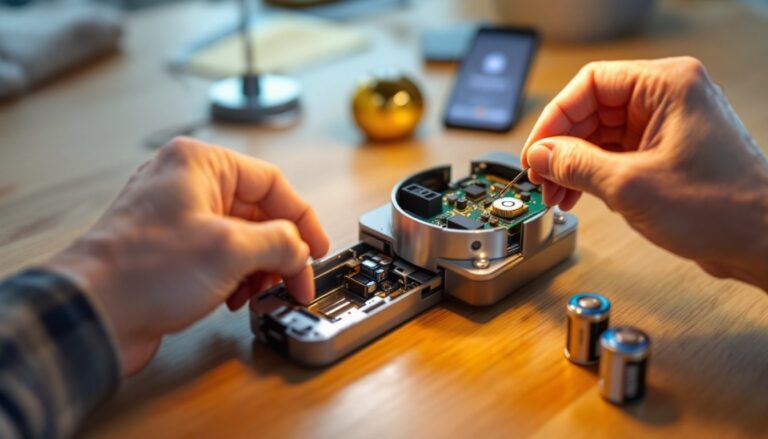
Power connectivity is another consideration. Battery-powered locks are the most flexible, they don’t require an electrician or outlet nearby. If you’re going hardwired, you’ll need to run low-voltage wiring from the lock to a power supply near an outlet, which adds labor and complexity. For most DIYers, a battery-powered model is the path of least resistance.
Benefits of Upgrading to a Smart Sliding Door Lock
Security and Convenience for Every Homeowner
Beyond raw security, smart locks deliver genuine convenience. You never fumble for keys again. In winter, you unlock your patio door from the kitchen on your phone instead of walking to the back door in the cold. If a family member loses their key, you don’t rekey the entire lock, just update or revoke their access code.
For renters, a smart sliding door lock is a game-changer. You can grant temporary access to cleaners, inspectors, or maintenance staff without being present. You log every entry and exit, and you can disable their access the moment they’re done. This reduces friction and liability compared to hiding a spare key or changing the lock every tenant.
Many homeowners also appreciate the activity history. Some models store 30–100 unlock events in the app, showing exactly when each access occurred. If you’re away and someone unlocks your door unexpectedly, you’ll know immediately. This peace of mind is worth the upgrade alone for many people.
Integration with smart home ecosystems adds another layer of utility. Pairing a smart sliding door lock with other smart home devices (smart cameras, motion sensors, smart lights) lets you create automation rules. For example: when the sliding door unlocks, turn on the patio lights. When motion is detected outside during the night, lock the door automatically.
Top Smart Sliding Door Lock Options for Your Home
Several reputable manufacturers now offer purpose-built smart sliding door locks. Recent reviews from CNET and Digital Trends highlight models that balance security, ease of use, and cost.
Lockly Guard is one of the few locks specifically engineered for sliding doors. It features a mortised bolt design, 128-bit encryption, and integration with Apple HomeKit, Google Home, and Amazon Alexa. Battery life runs 6–8 months with typical use. The app is intuitive, and the lock works with most standard aluminum sliding door frames. Expect to pay $200–$250 for the lock itself plus installation.
Another option is the Yale Assure Lock SL, a more affordable entry point starting around $150–$180. It uses a surface-mounted design with no drilling required, making it ideal for renters. Battery life is comparable, and it supports Wi-Fi and Bluetooth connectivity. The tradeoff is a smaller app feature set and support for fewer home automation platforms.
For those exploring options, Tom’s Guide’s coverage of smart locks from CES 2021 provides side-by-side comparisons of various models and their real-world performance. A smart home video doorbell often works well alongside a smart sliding door lock, giving you complete visibility and control of both entry points.
When choosing, prioritize compatibility, battery life, and encryption. Read user reviews specifically for sliding door installation experiences, not all smart locks are created equal, and real users catch issues manufacturers gloss over. Budget $150–$300 for the lock itself, plus any installation labor if you’re not doing it yourself.