A smart home is a residence equipped with internet-connected devices and systems that homeowners can control remotely or automate based on schedules and preferences. Whether it’s adjusting your thermostat from your phone, locking doors with voice commands, or having lights turn on automatically at dusk, smart home technology simplifies daily routines and enhances comfort. For DIY homeowners and tech-savvy families, understanding how these systems work, and what’s actually worth installing, is the first step toward making smarter choices about your home’s future.
Table of Contents
ToggleKey Takeaways
- A smart home uses internet-connected devices controlled remotely or automated through schedules, with a central hub as the brain communicating via WiFi, Bluetooth, or proprietary wireless protocols like Zigbee and Z-Wave.
- Start small with a smart speaker as your central hub and one or two compatible devices to test the system before investing heavily, ensuring you understand your chosen ecosystem (Alexa, Google Assistant, or Siri).
- Smart thermostats and connected lighting can reduce energy costs by 10–15% annually through automation and real-time adjustments based on your patterns and behavior.
- Security features like smart locks, video doorbells, and integrated cameras provide remote access and real-time alerts, giving homeowners peace of mind even when away from home.
- Prioritize WiFi quality with a mesh router before expanding your smart home, as weak connectivity frustrates users and undermines the entire system’s purpose.
- Budget $200–$500 for entry-level smart homes or $1,500–$3,000+ for comprehensive setups, and always use strong passwords, two-factor authentication, and keep firmware updated for security.
Understanding Smart Home Basics
A smart home operates around a central hub, think of it as the brain of your system. This hub communicates with wireless-enabled devices throughout your house, allowing them to talk to each other and respond to your commands. Most smart homes rely on WiFi, Bluetooth, or proprietary wireless protocols like Zigbee and Z-Wave to create this communication network.
The real appeal is automation and remote access. You can control devices from anywhere using a smartphone app, a voice assistant (like Alexa or Google Assistant), or a dedicated control panel. Many systems learn your patterns too, if you always dim lights at 9 PM, the system can do it automatically without you lifting a finger.
Building a smart home doesn’t require a complete overhaul. Most homeowners start small with a smart speaker or a few connected devices, then expand gradually as comfort level increases. Smart device ecosystems are transforming the way people live, making everyday tasks easier and more efficient. The flexibility means you’re not locked into one brand from day one: many modern devices work across platforms.
Core Smart Home Technologies and Devices
Lighting and Climate Control
Smart lighting is often the easiest entry point for beginners. Connected bulbs (like Philips Hue or LIFX) let you adjust brightness and color temperature via app or voice. Beyond convenience, you can set schedules, lights on at sunset, off at bedtime, or tie them to triggers, like turning on when motion is detected. This isn’t just about ambiance: better lighting control can reduce energy waste.
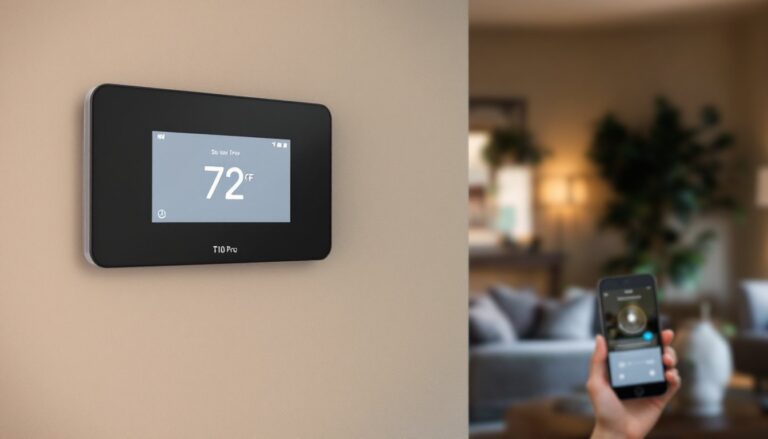
Climate control matters too. Smart thermostats like Nest or Ecobee learn your heating and cooling patterns, then adjust automatically to save energy while maintaining comfort. They account for when you’re home versus away, and many integrate with weather forecasts to optimize heating and cooling. Unlike traditional programmable thermostats, smart versions adapt in real time.
Security and Access Systems
Smart locks, video doorbells, and security cameras form the backbone of a connected security system. A smart lock on your front door means no fumbling for keys, and you can unlock remotely for guests or service workers. Video doorbells let you see who’s at the door from your phone, even when you’re away.
Fuller security involves integrating cameras, motion sensors, and contact sensors (on doors and windows) into one system. These devices send alerts directly to your phone if someone enters when you’re away. Professional-grade systems can also integrate with local law enforcement or monitoring services, though that typically adds a monthly cost. Assess your neighborhood and lifestyle, a simple smart lock might suffice for some homes, while others need comprehensive surveillance.
Benefits of Converting Your Home to Smart
Convenience tops the list. Imagine commanding your home without lifting a finger: “Alexa, lock the door and turn off the lights.” It sounds futuristic, but it’s everyday reality for millions of smart home users. Automation eliminates repetitive tasks, from adjusting blinds to watering the garden on a schedule.
Energy efficiency is measurable too. Smart thermostats can reduce heating and cooling costs by 10–15% annually by learning preferences and eliminating waste. Smart lighting saves electricity by automatically turning off rooms when unoccupied and adjusting brightness based on natural daylight. Over time, these small savings compound.
Remote access is a game-changer for busy families. Forgot to lock the garage door? Check your camera and lock it from work. Need to adjust the thermostat before arriving home on a cold day? A few taps on your phone handles it. This peace of mind, especially for travel and unexpected schedule changes, appeals to many homeowners.
Second, smart homes offer obvious security and automation benefits, though weigh them against privacy and complexity concerns. Smart home devices can also increase property appeal if you’re planning to sell, though they’re not yet a major selling point in every market.
Getting Started: Building Your Smart Home
Start with a clear goal. Are you prioritizing security, energy savings, or pure convenience? This shapes your first purchase. Many experts recommend beginning with a smart speaker (Amazon Echo, Google Home) as a central hub and voice interface, then adding devices that align with your goals.
Here’s a practical roadmap:
-
Choose your ecosystem. Amazon Alexa, Google Assistant, or Apple’s Siri dominate the market. Pick one and stick with it initially: mixing ecosystems adds complexity. Check which devices are compatible before buying.
-
Start small. Add one or two smart devices, maybe a smart bulb and a smart plug, to test the system before investing hundreds. This low-risk approach helps you understand workflows and compatibility.
-
Prioritize WiFi quality. Smart devices need a strong, stable internet connection. If your home has dead zones or spotty WiFi, invest in a mesh router before expanding your smart home. Weak connectivity frustrates users and defeats the purpose.
-
Plan wiring and placement. For devices like smart thermostats or door locks, understand your home’s existing wiring. A smart thermostat needs compatible wiring: some older HVAC systems lack the necessary connections. Measure twice, buy once.
-
Layer in security awareness. Use strong, unique passwords for smart home accounts and enable two-factor authentication. Many breaches happen because people reuse weak passwords across multiple accounts. Keep your hub’s firmware updated and disable features you don’t use.
Budget realistically. Entry-level smart homes can start around $200–$500 for a hub and basic devices. A more comprehensive setup with security, climate control, and lighting might run $1,500–$3,000+, depending on home size and device quality. The ultimate guide to IoT smart homes explains how different technologies work together. Research smart home wiring if you’re planning structural integration, and don’t shy away from professional help if electrical work is involved, permits and licensed electricians protect you and your home.
Conclusion
Smart homes aren’t magic, they’re practical systems that simplify daily life when planned thoughtfully. Start small, choose one ecosystem, invest in reliable WiFi, and expand as you see real benefits. The key is understanding your own priorities: security, energy savings, or convenience. With millions of homes already connected, the technology is proven and affordable. The question isn’t whether smart homes are worth it, but which devices and systems make sense for your household. Take time to research, test, and build gradually, that approach yields the best results.