In today’s world, where indoor air quality is often overlooked, monitoring the air in our homes has become essential. Many people spend a significant amount of time indoors, making it crucial to ensure that the air they breathe is clean and safe. Poor air quality can lead to a range of health issues, from allergies to respiratory problems, impacting overall well-being.
Home air quality monitoring offers a proactive approach to maintaining a healthy living environment. With advancements in technology, it’s easier than ever to track pollutants, humidity levels, and other factors that contribute to air quality. By understanding and improving the air in their homes, individuals can create a healthier space for themselves and their families.
Table of Contents
ToggleOverview of Home Air Quality Monitoring
Home air quality monitoring involves assessing the levels of pollutants and allergens in the indoor environment. It identifies harmful substances such as particulate matter, volatile organic compounds (VOCs), carbon dioxide, and carbon monoxide. Monitoring these elements significantly contributes to health and well-being by providing actionable insights.
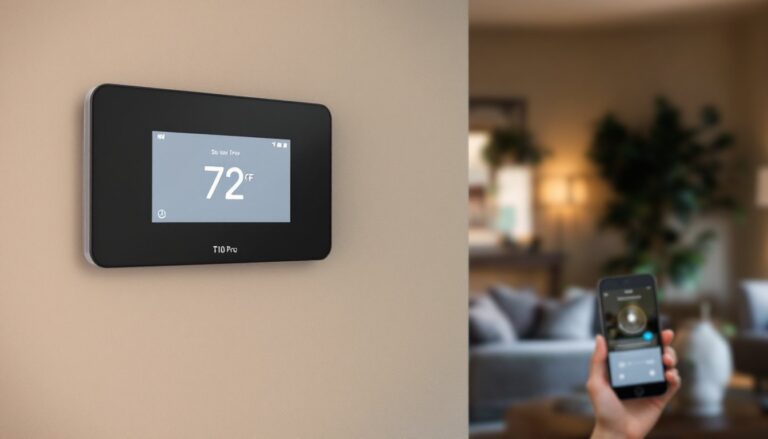
Advancements in technology facilitate the use of various monitoring devices. Smart air quality monitors, for example, provide real-time data on air quality levels. They often connect to smartphones and other devices, allowing users to track air quality trends over time.
Regular monitoring supports the identification of sources of pollution. Typical sources include mold, tobacco smoke, pets, and household cleaners. By pinpointing these sources, individuals can implement effective strategies for improvement.
Monitoring also enables proactive management of indoor air quality. Adjusting ventilation, using air purifiers, and minimizing exposure to pollutants can lead to a healthier living environment. Higher air quality standards promote better respiratory health and reduce allergy symptoms.
Incorporating home air quality monitoring systems offers valuable advantages. It empowers individuals to maintain optimal indoor environments, ultimately enhancing overall well-being.
Importance of Indoor Air Quality
Monitoring indoor air quality significantly impacts health and well-being since individuals often spend most of their time inside. Clean air fosters a healthier living environment, reducing the risks associated with poor air quality.
Health Impacts
Health impacts related to indoor air quality encompass a variety of conditions. Allergies appear in individuals exposed to airborne allergens, such as dust mites and pet dander. Respiratory issues, including asthma and bronchitis, arise from pollutants like volatile organic compounds (VOCs) and carbon monoxide. Long-term exposure to poor air quality can lead to chronic health issues, impacting overall quality of life. Recent studies reveal that maintaining optimal indoor air quality through proactive monitoring reduces symptoms related to these conditions, promoting better respiratory health.
Environmental Considerations
Environmental considerations in indoor air quality extend beyond personal health, affecting the global ecosystem. Poor air quality contributes to climate change through the release of greenhouse gases associated with household products. Implementing air quality monitoring promotes awareness of these factors, leading to responsible choices concerning air purifiers and ventilation systems. Choosing low-VOC paints and cleaners can improve air quality while reducing environmental harm. Regular assessments allow households to adopt greener practices, ultimately contributing to a healthier planet.
Types of Home Air Quality Monitors
Home air quality monitors fall into two main categories: portable and fixed systems. Each type offers unique benefits, catering to different monitoring needs.
Portable vs. Fixed Systems
- Portable monitors offer flexibility and mobility. They enable users to measure air quality in various locations within the home. Many portable monitors connect to smartphones for real-time monitoring and alerts. They often include battery-powered options for ease of use, allowing placement in areas like bedrooms or home offices.
- Fixed systems provide comprehensive monitoring. These devices are usually installed in a designated location and continuously capture air quality data. Fixed monitors often integrate with home automation systems, offering insights through centralized dashboards. Many fixed systems supply higher accuracy readings, essential for long-term analysis.
Key Features to Consider
- Sensor capabilities determine the range of pollutants monitored. Look for sensors that detect particulate matter (PM2.5), volatile organic compounds (VOCs), carbon monoxide, and humidity levels for comprehensive assessments.
- Data display options vary among models. Some monitors feature LED screens for immediate visibility, while others connect to mobile apps for detailed analysis over time. Clear data presentation aids in understanding air quality trends.
- Connectivity enhances usability. Wi-Fi-enabled monitors facilitate seamless integration with smart home systems. Alerts delivered through connected devices allow users to respond promptly to changing air quality conditions.
- Calibration requirements impact accuracy. Choose monitors with built-in calibration features that maintain precision without frequent manual adjustments. Regular calibration helps ensure reliable data over time.
- Battery life affects usability, especially for portable devices. Choose monitors with long-lasting battery life or those that can be plugged in for consistent performance.
- Price range varies significantly by features and capabilities. Evaluate options based on budget while considering essential monitoring features for effective air quality management.
How to Choose the Right Monitor
Selecting the ideal air quality monitor involves evaluating several key features that match specific needs.
- Sensor Capabilities: Investigate the monitor’s ability to detect various pollutants, including VOCs, particulate matter (PM2.5 and PM10), carbon monoxide, and carbon dioxide. Higher sensitivity ensures more accurate readings.
- Data Display Options: Opt for monitors with clear, easy-to-read displays. Visual indicators, such as color codes or graphs, simplify understanding air quality levels at a glance.
- Connectivity: Examine the monitor’s connectivity options. Devices that connect to Wi-Fi or Bluetooth often provide additional functionalities, including real-time alerts, mobile application access, and integration with smart home systems.
- Calibration Requirements: Determine how often the monitor requires calibration. Some models offer automatic calibration, while others may demand periodic manual adjustments for accuracy.
- Battery Life: Assess the monitor’s battery life, particularly for portable units. Longer battery life ensures extended use without frequent recharges or replacements.
- Price Range: Compare prices across different models while considering the offered features. Higher prices may correlate with advanced capabilities but not always guarantee better performance.
- User Reviews and Ratings: Research user feedback on various monitors. Reviews can provide insights into reliability and effectiveness, guiding better purchasing decisions.
- Brand Reputation: Consider well-established brands known for quality products and customer service. Trusted manufacturers typically offer warranties and support.
- Additional Features: Explore any extra functionalities, such as humidity monitoring, air quality forecasts, or integration with home automation systems. These can enhance overall usability and effectiveness.
By carefully considering these factors, individuals can confidently choose the most suitable air quality monitor for their unique needs and proactively manage their indoor air quality for improved health and well-being.
Benefits of Home Air Quality Monitoring
Home air quality monitoring provides several important advantages that contribute to improved health and overall well-being.
- Enhanced Health
Monitoring facilitates early detection of pollutants and allergens that negatively affect health. Identifying and mitigating exposure to harmful substances can reduce risks of respiratory illnesses, allergies, and chronic health issues.
- Informed Decision-Making
Knowledge of air quality levels empowers individuals to make informed choices regarding lifestyle and home environment. Understanding the presence of pollutants guides the selection of air purifiers and ventilation strategies that best suit specific needs.
- Real-Time Data Access
Smart air quality monitors provide immediate access to real-time air quality data. Continuous updates enable users to promptly address issues, such as high levels of carbon monoxide or VOCs, ensuring environments remain safe and healthy.
- Trend Analysis
Long-term monitoring allows users to track air quality trends over time. Recognizing patterns assists in discovering recurring pollution sources, leading to effective long-term strategies for maintaining clean air.
- Improved Comfort
Quality indoor air results in a more comfortable living environment. Monitoring can help reduce odors, allergens, and discomfort that arise from poor air quality, leading to enhanced daily life.
- Environmental Impact Awareness
Monitoring promotes awareness of how household activities affect overall air quality and climate change. Understanding these connections encourages eco-friendly practices, such as using low-VOC cleaning products and optimizing ventilation.
- Enhanced Productivity
Improved air quality correlates with increased productivity and cognitive function. Monitoring can lead to healthier work-from-home setups, optimizing both physical health and mental performance.
- Family Safety
Monitoring ensures family safety by alerting users to hazardous air quality levels. This proactive approach mitigates risk exposure, especially for sensitive individuals, such as children and the elderly.
By leveraging home air quality monitoring, individuals create healthier, safer, and more comfortable living spaces that support overall well-being.
Investing in home air quality monitoring is a proactive step toward ensuring a healthier living environment. By keeping track of indoor pollutants and allergens, individuals can significantly reduce health risks and enhance overall well-being. The availability of advanced monitoring technology empowers users to make informed decisions about their air quality, leading to better respiratory health and improved comfort.
As people become more aware of the importance of clean air, they can implement effective strategies to address pollution sources. This not only benefits personal health but also contributes to environmental sustainability. With the right air quality monitor, anyone can take control of their indoor air quality and create a safer, more comfortable space for themselves and their families.