If you’ve been manually adjusting your boiler temperature or relying on an old mercury thermostat, a smart boiler thermostat might be one of the most practical upgrades you can make. Unlike a standard thermostat that simply turns your heating on or off, a smart boiler thermostat learns your patterns, lets you control your home temperature from your phone, and can cut your heating bills by 10–15%. Whether you’re retrofitting an existing system or building new, understanding how these devices work and what to look for will help you make a smart investment in comfort and efficiency.
Table of Contents
ToggleKey Takeaways
- A smart boiler thermostat can reduce heating costs by 10–15% annually through geofencing, weather forecasting, and optimized heating patterns, potentially saving homeowners $100–300 per year.
- Smart boiler thermostats enable remote smartphone control and automated scheduling, allowing you to adjust temperatures from anywhere and program different setpoints for various times of day and rooms.
- Verify boiler compatibility before purchasing—modern condensing boilers from the last 10–15 years typically support smart thermostats, but older steam or cast-iron models may require professional assessment.
- Mid-range smart boiler thermostat models ($250–400) offer the best balance of features and value, with installation costs between $100–150 if professional help is needed.
- Maximize efficiency by setting realistic temperatures (68–70°F daytime, 62–65°F nighttime), enabling geofencing and scheduling, and monitoring heating data through the app to detect system issues early.
- Proper thermostat placement away from direct sunlight, drafts, and heat sources, combined with clear radiator vents and sensor maintenance, ensures accurate temperature readings and optimal performance.
What Is a Smart Boiler Thermostat and How Does It Work
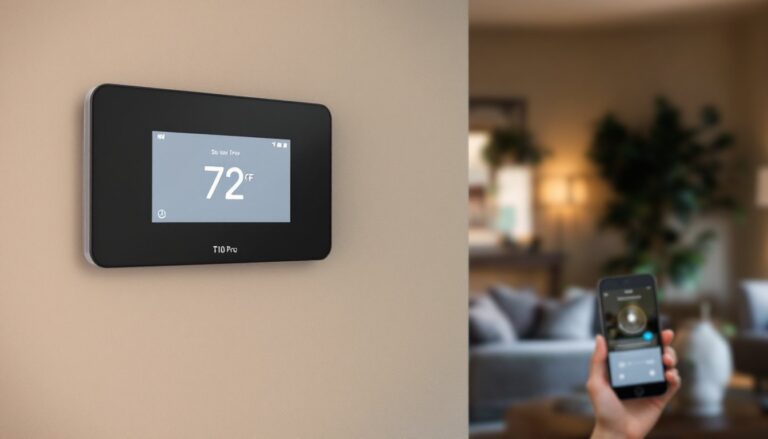
A smart boiler thermostat is a connected device that replaces your traditional boiler control or thermostat, communicating with your home’s heating system via Wi-Fi or a wireless protocol. Unlike dumb thermostats that simply turn heat on when temperature drops below a set point, smart models use algorithms, sensors, and your smartphone app to optimize when and how long your boiler runs.
Most smart boiler thermostats work by measuring room temperature and comparing it to your desired setpoint. When the temperature drops, the thermostat sends a signal to your boiler to fire up. What makes them smart is that they can learn your schedule, anticipate temperature changes based on weather forecasts, and adjust heating patterns without you touching anything. Some advanced models use machine learning to predict how long it takes your home to heat and avoid overshooting your target temperature.
Common connectivity standards include Z-Wave, Zigbee, or Wi-Fi direct. If you’re choosing between them, Wi-Fi models offer simplicity and broader smartphone integration, while Z-Wave and Zigbee models often have better range and lower power consumption if you’re building out a larger smart home ecosystem. Installation typically involves wiring the thermostat to your boiler’s control terminals, usually a straightforward task if your boiler supports modulating heat output (many modern condensing boilers do), though you may need a professional if your boiler uses older on-off switching logic.
Key Benefits of Installing a Smart Boiler Thermostat
Energy Savings and Lower Utility Bills
The primary draw of a smart boiler thermostat is cutting your heating costs. A well-configured smart thermostat can reduce your heating energy consumption by 10–15% annually, translating to $100–300 savings per year for most homeowners, depending on your climate and fuel type. The savings come from avoiding idle heating cycles, reducing overshoot (running the boiler longer than needed), and matching your heating to occupancy patterns.
Geofencing, the ability for your thermostat to know when you’re home or away based on your phone’s location, is particularly effective. When everyone leaves for work, the thermostat automatically drops the temperature: as you drive home, it warms the house so it’s comfortable when you arrive. Over a heating season, those small adjustments add up. Some models also offer integration with weather forecasts, so the thermostat can pre-heat your home before a cold snap or coast through a warm spell without unnecessary firing cycles.
Remote Temperature Control and Convenience
Controlling your heating from anywhere via smartphone app is more than novelty, it’s practical. Forgot to lower the heat before leaving for vacation? Adjust it remotely. Coming home early from work? Bump the temperature up so the house is warm when you arrive. On a cold morning, you can turn up the heat from bed without getting up.
Many smart thermostats also offer temperature scheduling, allowing you to program different setpoints for different times of day or days of the week. You might set the living room to 68°F during the day and 62°F at night, then automatically adjust on weekends. Some models include room-level zoning (if you have motorized radiator valves or zone dampers), letting you heat only the rooms you’re using. This granular control means you’re not heating the guest bedroom while everyone’s watching TV in the living room.
Choosing the Right Smart Boiler Thermostat for Your Home
Before buying, verify that your boiler is compatible. Most modern condensing boilers manufactured in the last 10–15 years support smart thermostat integration, but older steam or cast-iron sectional boilers may not. Check your boiler’s manual or contact the manufacturer: compatibility information should note whether it supports modulating control (variable heating intensity) or only on-off switching.
Next, consider your home’s heating setup. If you have a multi-zone system with motorized valves on radiators or zone dampers, look for thermostats that support zone control. If your system is single-zone (one thermostat, one boiler), you have more options and typically lower costs.
Connectivity and smartphone ecosystem matter too. If you’re already invested in Apple HomeKit, Alexa, or Google Home, choose a thermostat that integrates with that platform. Top smart thermostats available today offer varying levels of integration, so cross-check compatibility before committing.
Budget wisely. Basic smart boiler thermostats start around $150–250, while advanced models with room sensors, learning algorithms, or professional installation can run $400–600 or more. For most homeowners, a mid-range model ($250–400) offers the best balance of features and value. Finally, be honest about installation: if your boiler’s wiring is unclear or you’re uncomfortable working with electrical connections, hire a heating technician. A $100–150 professional install is cheaper and safer than troubleshooting a miswired system.
Installation and Setup Basics
Installation difficulty varies. If your old thermostat had a wireless receiver and signal processor already installed, replacing it with a smart model is often plug-and-play, disconnect the old unit, connect the new one to the same terminals, and you’re done. If you’re retrofitting a boiler that’s never had a modulating thermostat, the job gets more involved.
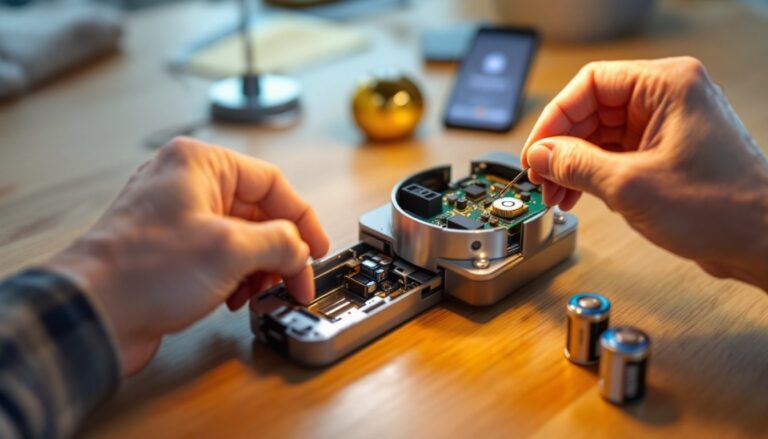
Start by locating your boiler’s control wiring. Inside the boiler cabinet, you’ll find a terminal block or connection point labeled for the thermostat. Most boiler thermostats use low-voltage wiring (24V AC), which is safe but requires careful connection. Take a photo of the existing wiring before disconnecting anything.
Install the receiver module (if required) near your boiler, following the manufacturer’s instructions for wiring and placement. Mount the wall-mounted thermostat dial in a central location, avoid direct sunlight, drafts, and proximity to radiators or heat sources, which will fool the temperature sensor. Use a bubble level and the included wall anchors to secure it firmly.
Once hardware is connected, download the manufacturer’s app and create an account. Pair the thermostat via Bluetooth (usually within 3 feet) or by entering your home Wi-Fi credentials. Follow the setup wizard to calibrate your system and input your boiler model and heating preferences. Smart thermostat reviews and comparisons can guide you through model-specific setup if you hit snags. If the thermostat doesn’t communicate with your boiler after setup, double-check the wiring against your boiler’s manual, reversed polarity or loose terminals are common culprits.
Tips for Maximizing Efficiency and Performance
Once installed, configure your thermostat strategically. Set a comfortable daytime temperature (typically 68–70°F) and a lower nighttime or away temperature (62–65°F). Avoid extreme swings, a 10°F drop at night saves more than a 15°F drop but maintains comfort and prevents the boiler from overworking to re-heat later.
Enable geofencing and smart scheduling if available. These features handle most of your heating adjustments automatically, eliminating the temptation to manually override settings. Pair your thermostat with weather forecasts (most apps offer this) so it can anticipate cold snaps and avoid unnecessary cycling on mild days.
Keep radiators and vents clear. Blocked baseboard heaters or radiators force your thermostat to run longer to reach the target temperature. Dust your thermostat’s sensor occasionally, a film of dust can cause inaccurate readings.
Monitor your heating data via the app. Many smart thermostats show you how often the boiler is running, total heating duration, and estimated energy use. This visibility helps you spot unusual patterns, if your boiler is running constantly, it may indicate a leak, a broken radiator valve, or a loss of system pressure that needs professional attention.
Finally, don’t assume lower is always better. Setting your thermostat to 60°F to save money often backfires: your boiler works harder to recover, humidity rises (promoting mold in damp areas), and comfort suffers. Expert recommendations on smart thermostats suggest maintaining at least 65°F when home to balance savings and comfort. A well-configured smart thermostat handles the optimization: your job is setting reasonable targets and letting the system do the work.